The New Children's Wellbeing and Schools Bill: What Homeschooling Parents Need to Know
Disclaimer: This blog post is based on the "Children's Wellbeing and Schools Bill" as introduced and is for informational purposes only. The text may change as it progresses through Parliament. This is not a substitute for professional legal advice.
A new piece of legislation, the "Children's Wellbeing and Schools Bill," is set to fundamentally change the landscape for Elective Home Education (EHE) in the UK. The bill aims to increase visibility and ensure the wellbeing of all children, and for homeschooling families, this means a shift from the current light-touch system to a more formal framework.
So, what are the key changes, and what do they mean for you as a homeschooling parent?
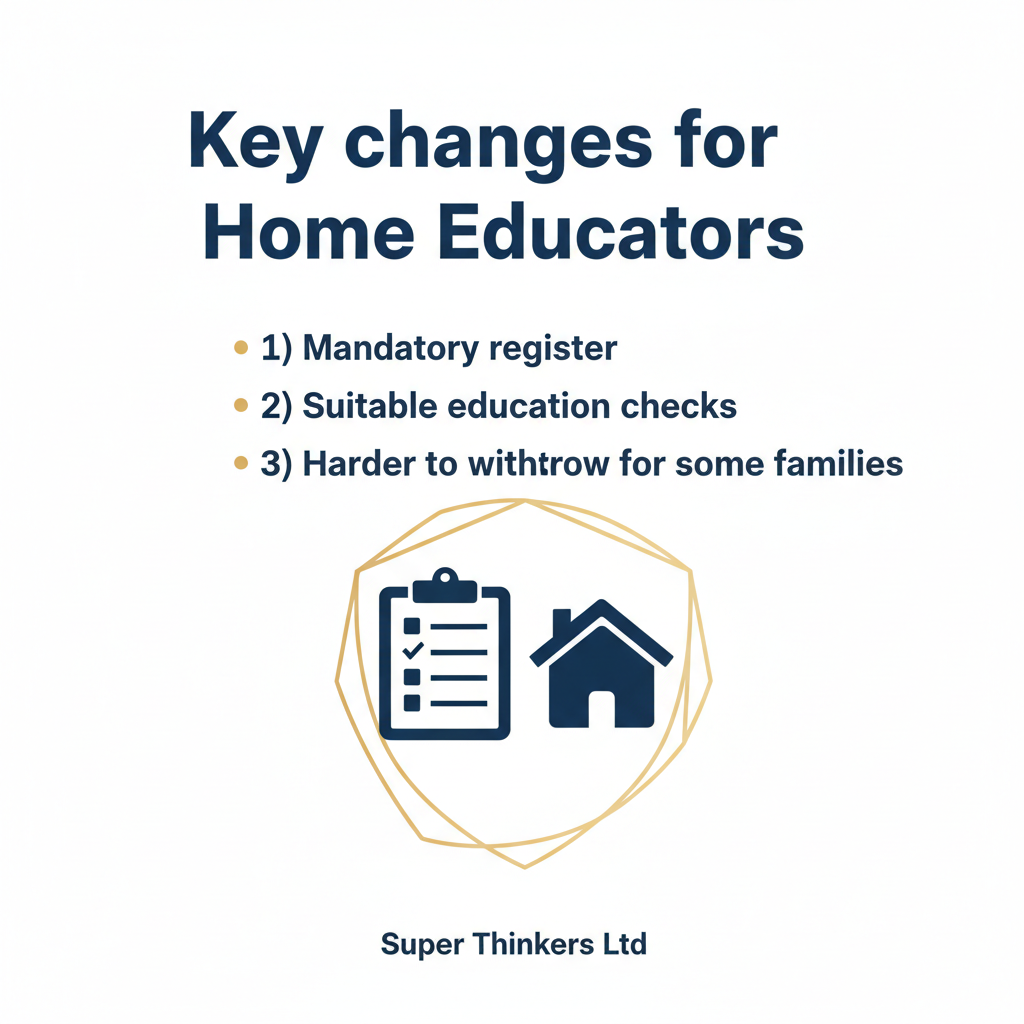
1. The Mandatory Homeschooling Register
The most significant change is the introduction of a legal duty for local authorities to maintain a register of all children not in a registered school.
What this means for you:
If the bill passes, you will be legally required to register your child with your local authority. This moves homeschooling from a private arrangement to a formal, registered status. The aim is to ensure that local authorities have a clear picture of all children in their area to help them with their safeguarding duties.
2. Monitoring and "Suitable Education"
The bill will strengthen the powers of local authorities to ensure that children are receiving a "suitable education."
What this means for you:
With a formal register in place, local authorities will be able to more easily scrutinise the education being provided at home. The term "suitable education" is key. While the bill doesn't define it rigidly, the onus will be on parents to demonstrate that the education they provide is appropriate to their child's age, ability, and any special educational needs they may have. If a local authority is not satisfied, they will have stronger powers to issue a School Attendance Order (SAO).
3. Changes to Withdrawing a Child from School
For some families, particularly those where a child has an Education, Health and Care Plan (EHCP) or has a history with social care, the bill may require parents to seek the local authority's consent before de-registering their child from school.
What this means for you:
This change means that for some families, the right to choose home education may become a decision made in partnership with the local authority, who will act as a gatekeeper to ensure the child's needs can be met.
What Does This All Mean for Your Homeschooling Journey?
These changes will undoubtedly bring new pressures. The need to register and potentially provide evidence of a "suitable education" will create a new administrative burden for parents. You may feel anxious about the increased scrutiny and what it means for the freedom and flexibility of your current homeschooling approach.
However, it also presents an opportunity. With the right support, you can confidently navigate this new landscape. Using a tuition provider like Super Thinkers for part of your child's education can provide a structured, verifiable component of your educational provision.
How We Can Help
At Super Thinkers, we are following these developments closely. We are here to support homeschooling families through this transition. Our services can provide:
- A structured curriculum: Our courses are designed by educational experts and align with national standards.
- Verifiable progress: We provide regular, formal reports on your child's attendance, the topics they've covered, and the progress they are making. This can serve as powerful evidence of a "suitable education" for the local authority.
- Expert support: Our tutors are experienced in working with homeschooled children and can provide the academic rigour and support to help them thrive.
The "Children's Wellbeing and Schools Bill" is a significant piece of legislation that will change the way homeschooling is managed in the UK. By understanding the changes and preparing for them, you can ensure that you continue to provide the best possible education for your child in this new regulatory landscape.